
The series will be available to stream on Hulu September 29th.
Describe the TV show for us in your own words.
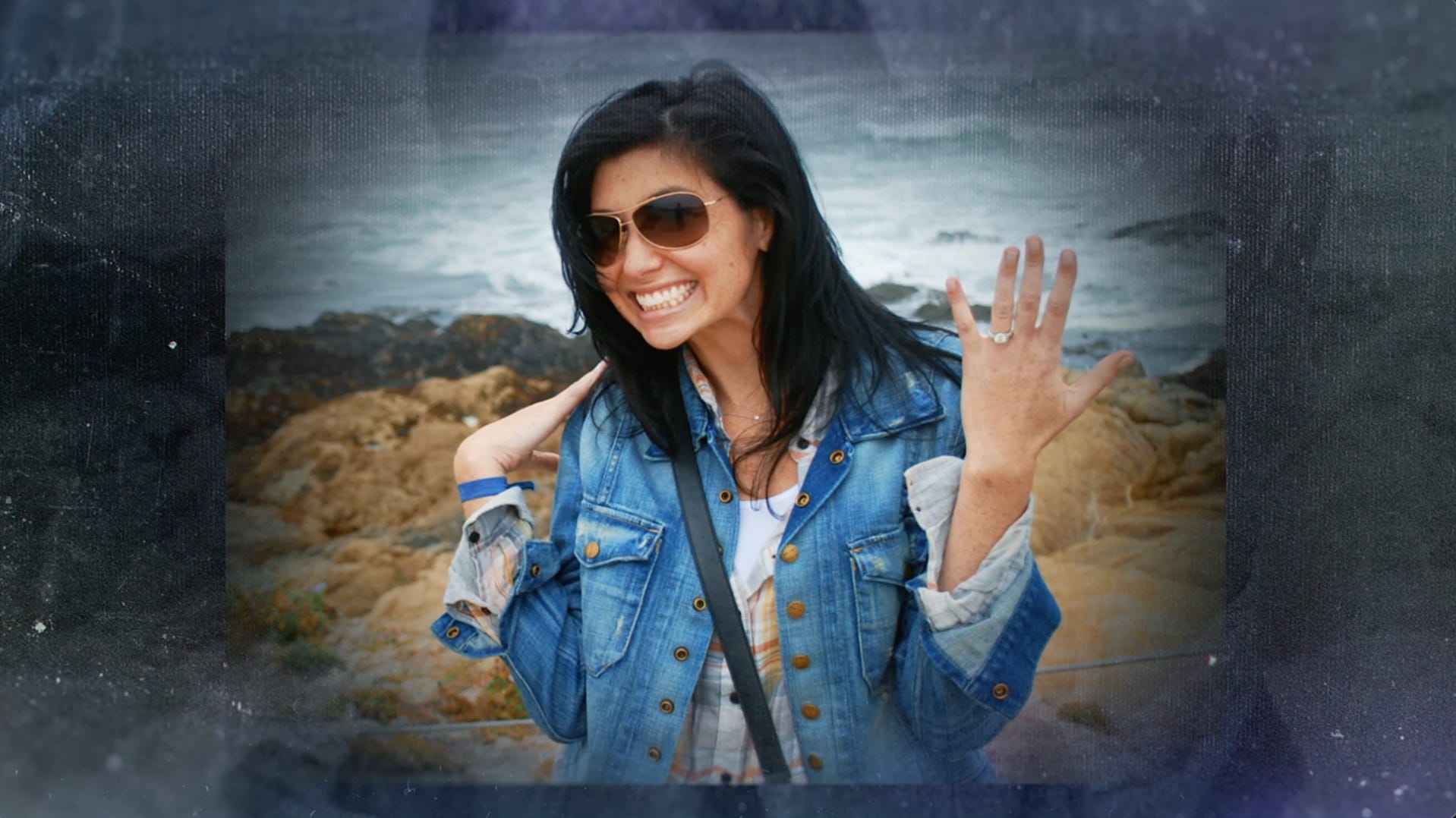
Ellen Greenberg, a 27-year-old schoolteacher, was found dead in the apartment she shared with her fiancé with 20 knife wounds and 11 bruises. To the shock of many who knew her, detectives on the scene treated her death as a suicide until her autopsy results came back with the cause of death ruled a homicide. Shortly thereafter, the manner of death was reversed again to suicide, and the city of Philadelphia shut the case without further investigation. Now, 14 years later, ABC News Studios’ three-part series exclusively follows Ellen’s parents as they fight to reopen the investigation and learn the truth about their daughter’s untimely death.
What drew you to this story?
I was really moved by Ellen’s story because this case was such a miscarriage of justice, which you can tell right from the beginning. You can tell that just from the fact that Ellen’s parents have been fighting for this for 14 years. I never take on a story that is “crime for crime’s sake”. To understand what happened to this young woman, I really looked at dynamics. My work has always addressed interpersonal dynamics and gender dynamics because so often women carry the burden of victimhood in these situations.
The more I got to know Ellen through her friends and family, I realized that she was the kind of person who wore her heart on her sleeve. I learned about a woman who was getting ready to get married and have a big beginning in her life. In a turn of events, then seeing Ellen perhaps wanting to leave this marriage or feeling a lot of anxiety about this big decision.
This took place in 2011, which is not that long ago, but at the time we were not talking about mental health. We were not talking about healthy relationships in the same way that we speak about them now. Ellen was seeing a therapist, which seems so normalized now, but was not at the time, and that fact carried some stigma with it after she died. The background of knowing the struggles Ellen was going through in her life – having some anxiety and relationship issues –made me want to dive in and really explore her story. Along with that, the facts of the case such as the wounding on her body, the 911 call inconsistencies, and the missteps in the police investigation made me also want to tell this story.
What do you want people to think about?
I want audiences to think about the core of this story which is that this is a family; two parents that lost their only child and the ripple effects when even one person is taken too soon. I want viewers to see their resilience; they’re not detectives, they’re not connected to law enforcement, they’re just regular parents who had to step into this role of advocates and detectives to get answers. I want audiences to also see that this can happen to any average American family and how important it is to seek justice as well as how hard it is to get simple answers in cases like this.
What was the biggest challenge in making this?
This was a really brilliant project that only could have come to be by many people coming together to do a lot of research and hard work. The family of Ellen, Thomas Brennan, the private investigator on the case, and writer, Stephanie Farr, have worked so hard for so many years to get justice for Ellen.
The early producers on the series were so great at gathering information about the case for me to digest. It was a 14 year case that was condensed into a three part series over the course of 9 months. There were so many incredible people who helped to complete the very challenging task of putting this whole case into a series.
What was the development process? How did you the show get made?
This project was in development for many years, and a lot of it was before I was brought onto the project. I was not part of development, but the people at Lionsgate, including Gino McDermott and Jessica Roomberg as well as producers Caitlin Gold and Laura Diamond worked very hard to tell this story. There were a lot of people keeping sources warm, knocking on doors, and doors getting slammed in their faces.
When I started on the project, we had a lot of incredible sources already. My producer on the ground, Charlotte Levy, and I just hit the ground running and gathered as many new sources as we could. We are lucky that there were many people there the night Ellen died that have no skin in the game, but care about this story and want to help; like the concierge Phil Hampton and Melissa the building manager. We are so grateful that those people were available to sit for interviews and help with this process.
What inspired you to become a storyteller?
I’m really fascinated by other people’s stories. I think everyone has something interesting to say and I love learning from people. Another element on the receiving end is that ever since I was little, people told me their stories, their secrets, and trusted me with hard things. I’ve always felt really honored by that trust. I’ve learned over the years how to tell people’s stories with intensity and grief and loss and passion. It is important to be able to listen. I feel lucky that I’ve always been able to, or I strive to, hold their stories to the greatest good. There are always conflicting opinions and hard decisions to make in storytelling as well as tons of limitations. Really getting to the core of what’s important, which is telling the best story possible and holding multiple truths is just a challenge I hope to always be able to do.
What’s the best and worst advice you’ve received?
I don’t always take this advice, but I think “listen more” is really good advice. Also to try not to come in with a bias, but also trust your instincts. Your job is to listen, stay humble, and trust your instincts.
What advice do you have for other female creatives?
Every time I’ve doubted myself or been pushed around, I can go into all kinds of insecurities, especially if you’re a woman or a woman presenting, I can think, “I don’t know what I’m doing”. We all have imposter syndrome at some point, and that’s okay to stay humble because we should all be trying to grow. Every job on some level, you are a little bit new to. It’s totally okay to feel like “this is new and new is scary and new is fun”. If you can embrace the fun of what is new, then you’re winning. If you can stay humble, but also trust your gut, you should be in good shape.
Name your favorite woman directed film or TV show and why.
Right now, what’s really making my heart feel at peace is watching “Somebody Somewhere” on HBO. Bridget Everett is at the center of it, although the Duplass Brothers produce and sometimes direct. The show is created by Hannah Bos and Paul Thureen. I love that someone with more indie credits such as Everett who wouldn’t normally get a TV show on HBO is really being uplifted in this show. I really enjoy the beautiful kindness of that program.
Feel free to share anything else you would like people to know about this show.
I think what is really important about this show is the very dangerous precedent Ellen’s case is setting about weaponizing a woman’s mental health to potentially skirt consequences of a crime. I have a Google alert for Ellen Greenberg’s name and I have started seeing stories of women who are found dead, and it is called a suicide when it is clearly not. This does a massive injustice for people who struggle and have suicidal ideation. It’s not fair to that community. It’s not fair to people who lose children and loved ones to suicide, but it’s also an incredibly dangerous precedent.
We want to make sure people really understand the facts of Ellen’s story. That she was a full person, not just a victim of a crime: she was a teacher, she was a friend, she was a daughter. She was such a relatable and kind person, people came out of the woodwork to say what a great person she was. I want to make sure people feel outraged on her behalf, push for justice, and push the city of Philadelphia to make this right.